
Model apartment vs. virtual sales room: the real math
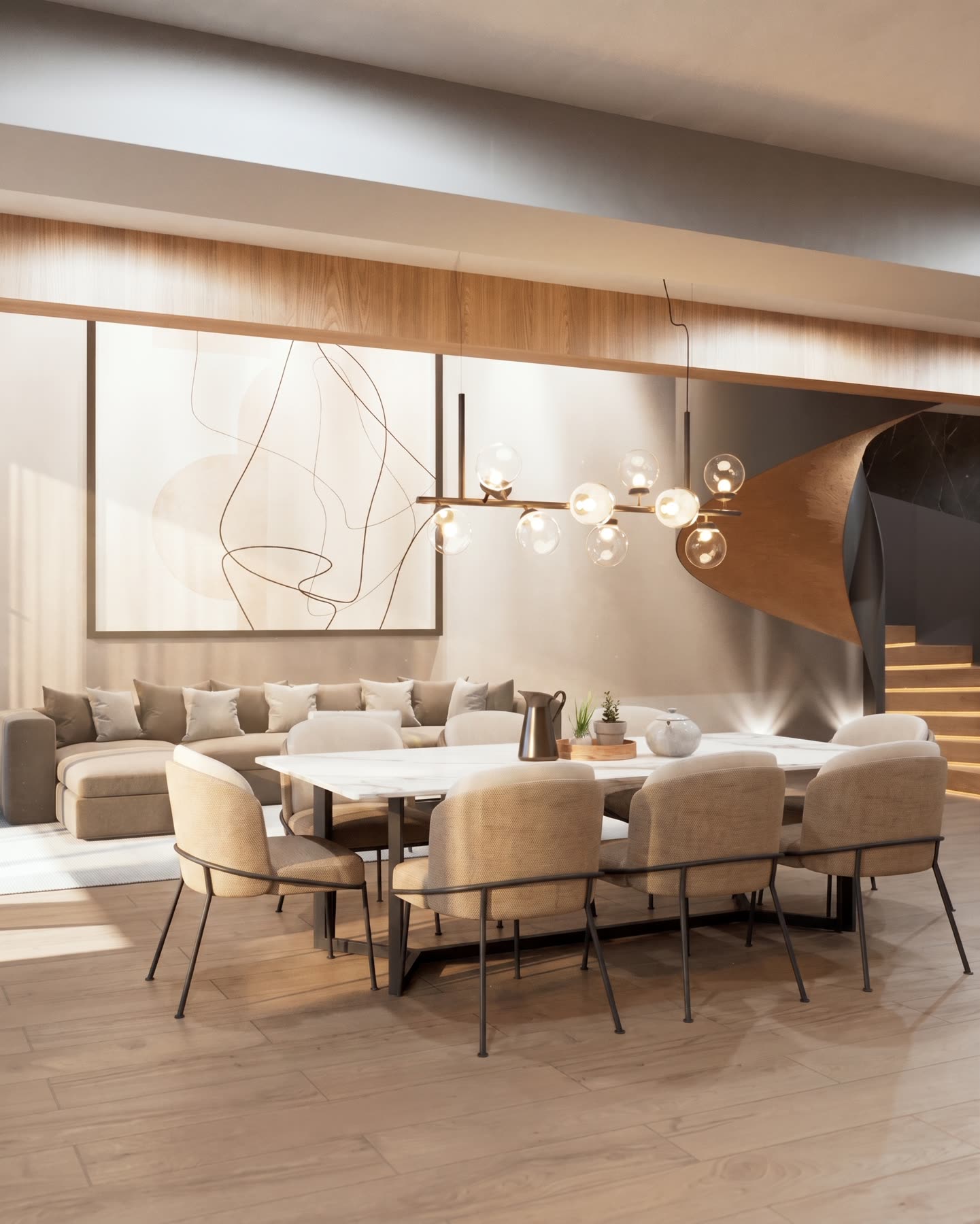
This math is worth doing calmly. A show apartment works, and nobody disputes that touching a real finish persuades. The question is what it really costs, what it shows the buyer and what you get for the same money in digital.
Want to see this on your project? Book a free demo
What you pay for in a show apartment
The visible cost is construction and furnishing. The real cost includes several more things:
- Early construction of a unit that is not sold until the end, and is often sold at a discount because of wear.
- Full furnishing: furniture, appliances, textiles and decor, which later have to be removed or sold separately.
- Maintenance and staff for every month of the sales period: cleaning, repairs, replacing what visits damage.
- Tied-up capital. It is a finished unit that earns nothing while it serves as a sample.
- A single version. One finish, one unit type, one view. Buyers of any other unit type still have to imagine.
As the general manager of Grupo Koi told us: "there was no need for the physical show apartment, which is also very expensive. Everything I invest in the project, I end up having to load onto the price."
What you pay for in a virtual sales room
A 3D production is a one-time investment, before construction starts. What you pay for is the model and how it behaves: how many unit types, how many finish combinations, which assets. And unlike the physical model, it does not age or wear out: it gets updated.
With the model, you get every unit type, not just one. You also get every finish, every view by height and orientation, the amenities and the ability to show it to someone in another city. And the same model produces the renders, video and 360° tours for the rest of the campaign. We explain what drives that price in how much 3D visualization costs.
The physical model shows one apartment to whoever can visit it. The digital model shows the whole project to anyone, anywhere.
The comparison, point by point
| Show apartment | Virtual sales room | |
|---|---|---|
| Unit types shown | One | All of them |
| Finishes | One, the one that was built | Every option, switched live |
| View from each floor | Cannot be shown | The real one, by height and orientation |
| When it is ready | When its construction ends | Before construction, from the drawings |
| Who it sells to | Whoever can visit | Anyone, from any city |
| If the project changes | Construction work is needed | The model is updated |
| Contact with real materials | Yes | No: paired with physical samples |
| When sales end | It is sold, often at a discount | It stays as the project's record |
Where each one wins
The show apartment does win at something digital does not replace: the physical feel of the material, the weight of a door, the texture of a tile. For high-end projects where the buyer visits no matter what, a single show unit can make sense.
The virtual room wins on cost, reach, flexibility and speed, and it wins by a wide margin when the buyer is far away, when there are several unit types, or when construction has not even started. In Colombia, one in four buyers of new housing lives in another department or abroad, according to Camacol: for them, a show apartment does not exist.
The combination that pays off most
You do not have to choose all or nothing. What works best for most projects is the virtual room at the center of the sale, with a panel of real materials in the physical room for the tactile part: floors, tiles, fixtures and woodwork the buyer can touch after seeing them in the tour. It takes half a meter and gives the one thing the screen cannot.
If the segment calls for it (high-end, buyers who visit) a single show unit backed by the 3D model for every other unit type. What is almost never justified is one show unit per unit type, and even less so in social-interest housing, where its cost ends up in the monthly payment. We explain it in sales rooms for social-interest and high-end housing.
How to run the numbers for your project
- Real cost of the show apartment: construction and furnishing, plus maintenance and staff for the months of sales, plus the discount at which it is sold at the end.
- Cost of the virtual room: producing the model, which also replaces the renders, video and tours you would otherwise hire separately.
- Buyers each option reaches: the physical model only serves whoever visits it.
- Unit types covered: one versus all.
Divide each cost by the sales you expect from it and compare the cost per sale. The full line items of a physical room are in the budget of a physical sales room, and the overall comparison of formats in the real estate sales room guide. Here is what our virtual sales room includes, point by point.
Frequently asked questions
Is a show apartment worth building?
It depends on the segment. It shows a single unit type with a single finish, it is built first and sold last, often at a discount. In high-end projects with buyers who visit, one unit can be justified; for most projects, a virtual sales room with real material samples covers the job for far less.
Which is better, a show apartment or a virtual sales room?
The virtual room wins on reach, unit types, finishes, view, speed and cost. The show apartment wins only on physical contact with the material, which a panel of real samples in the room solves.
Can you sell without a show apartment?
Yes. Grupo Koi sold its Kronus project, in Bucaramanga, without a show apartment and 100% virtually, with buyers from Medellín to Israel.
What happens to the show apartment when sales end?
It is sold, but almost always last and often at a discount because of months of wear from visits. The virtual room, on the other hand, stays as the project's record and serves for handover and after-sales.
Want to see this on your project?
Book a free demo and we'll show you a real virtual sales room, working.
Request a demo